

Hey everyone, it’s Mia here from the ESD tape supply team – today we’re diving into a question I get all the time at trade shows, over email, and even from friends who spot the weird colored tape on my work bag: Is there actually a real difference between ESD warning tape and regular old tape? Spoiler alert – yeah, there’s a lot more to it than just how it looks, and if you’re working in electronics (like my team is, supplying all sorts of specialty tapes), skipping the right one could cost you way more than you think.
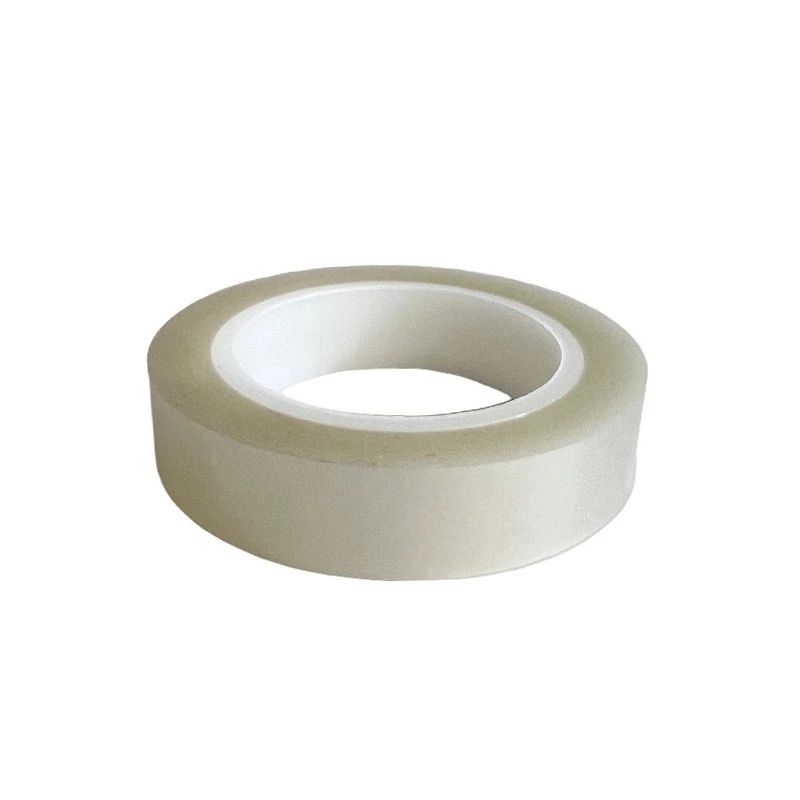
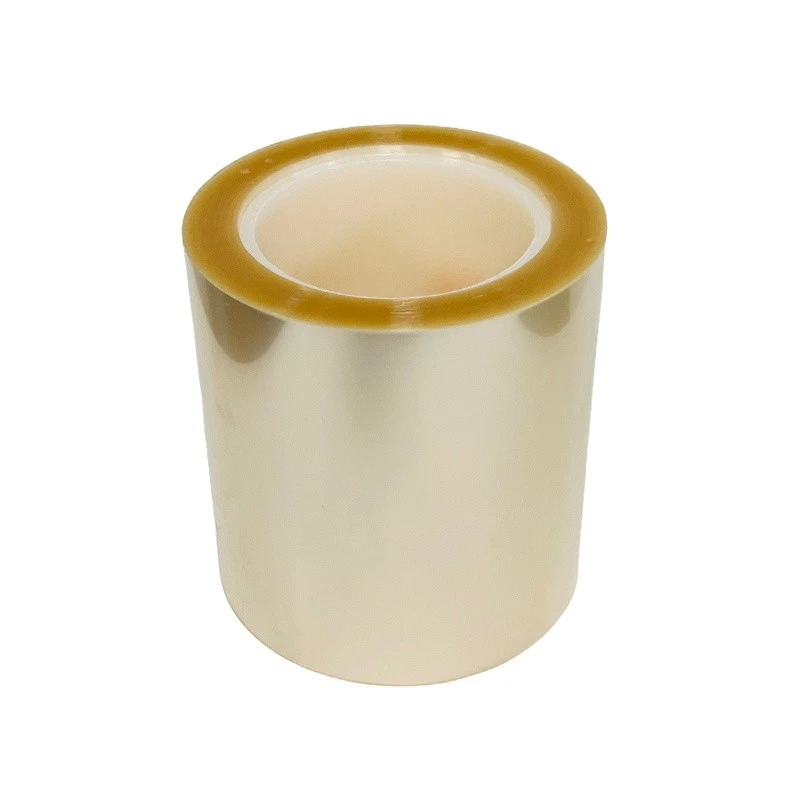
Let me start with a quick real-world example, not some boring lab stat that no one cares about. Last year, we had a small manufacturing client reach out panicking – their entire batch of new smartphone motherboards got ruined because someone used generic masking tape to mark their ESD-safe workstations. They thought “tape is tape,” right? Wrong. That regular plastic tape held a static charge the second someone peeled it off a roll, discharged right on the sensitive silicon chips, and ended up costing them over $12k in lost parts and delayed shipments. Now, I don’t say that to scare you – I say it because that’s exactly why ESD warning tape isn’t just a marketing buzzword we use to sell more tape (though, full transparency, we do sell ESD adhesive tape, and it’s lifesaver for stuff like this).
First, let’s break down what ESD even is, for anyone who’s slept through that OSHA training back in college. ESD stands for Electrostatic Discharge – basically that tiny, annoying shock you get when you touch a doorknob after walking across a carpet, but on a way smaller scale. A charge that’s so small you can’t feel it (like 10 volts) can fry a microchip that’s built to run on 3 volts. Regular tape doesn’t care about that at all. Most generic masking tape, packing tape, even standard PVC warning tape is an insulator – it holds static charge instead of letting it dissipate. Peel one off a roll, and it builds up a charge that’s just waiting to zap something delicate.
Now, what makes ESD warning tape different? Let’s get specific, no jargon. First, its static-dissipative properties are built into every layer, not just the adhesive. Most regular tape uses a plastic film (PVC, polypropylene) that’s totally non-conductive. ESD tape has that film blended with conductive materials – things like carbon or metallic particles – that let any static charge bleed off into the ground if it’s connected to an ESD ground point. We’re talking about consistent surface resistivity, tested to stay between 10^4 and 10^11 ohms per square – that’s the sweet spot for safely handling electronics, per ANSI/ESD S20.20 standards. Regular tape has a way higher resistance, like 10^12 ohms or more, so static just sits there.
Then there’s the color coding, which is a huge part of ESD warning tape that regular tape can’t match. OSHA and ESD Association standards say ESD-safe areas have to be marked with a specific two-color pattern – usually yellow and black diagonal stripes – that’s not just for looks. It’s a visual cue so even new temp workers know “don’t bring your coffee cup here, don’t set your phone down here, only use ESD-safe tape here.” Regular warning tape is often just solid colored, or a different pattern, so you end up with people mixing up workstation zones and making the same mistake that ruined that $12k batch. Wait, and before I forget – we also carry specialty ESD-adjacent tapes too, like Green PET Silicone Adhesive Tape, which is used for ESD-safe fixturing in component assembly, since it leaves no residue and doesn’t build static when applied correctly.
Let’s talk about durability too, because I’ve seen people grab pink masking tape for holding down a prototype just because it’s lying around. Regular tape breaks down fast in industrial environments – heat, humidity, chemicals from solder flux, all of that makes it peel or fall apart in a week. ESD warning tape is made to hold up to those conditions, designed to stay intact and keep its static properties for months, not days. For example, the UV Releasable Tape we stock is great for ESD-safe shipping of parts – you can apply it to a tray, it holds static-sensitive components during transit, and then you just hit it with UV light to make it peel right off without leaving any residue or building up a charge. That’s not something regular tape can do – it’d either stick too hard and damage the parts, or peel off mid-transit.
Wait, let’s clear up another common mix-up: ESD tape isn’t just for marking workspaces. A lot of people think it’s only for tape measures or floor lines, but it’s used for everything from holding ESD-safe bags closed during transport to masking areas during PCB assembly that shouldn’t get solder flux. The Double Sided Heat Transfer Tape we supply is a perfect example – it’s used in the automotive and electronics industries to mount components without generating static during the process, and it can handle high heat from reflow ovens that would make regular double-sided tape melt and leave a mess. That’s another thing regular tape can’t handle – it fails in extreme temperatures, which are standard in electronics manufacturing.
I know what some of you are thinking: “Can’t I just ground regular tape somehow?” Let’s be real – how many times do you remember to plug a roll of packing tape into an ESD ground before using it? Almost never. ESD warning tape is engineered to work safely on its own, even if you’re in a pinch and forget the extra step. That’s why manufacturers prefer it – it’s a set-it-and-forget-it solution that removes human error, which is the biggest cause of ESD damage.
Let’s talk about a recent client story to drive this home. A medical device manufacturer called us a few months back because they were having random, unexplained failures in their pacemaker components. Turns out, their line workers were using regular painter’s tape to hold calibration devices in place during testing. The tape was building up static when they peeled it off, discharging onto the tiny circuit boards, and causing intermittent faults that were impossible to trace. They switched to our Flame Retardant PET Tape for ESD-safe testing stations, and not only did the failure rate drop to zero, they also cut down on fire hazards from stray sparks (which is a bonus, since regular painter’s tape isn’t flame-retardant). The best part? They didn’t have to rewrite their entire protocol – just swapped out the old tape for the right one, and the problem was fixed.
Now, before I wrap this up, let’s make sure I’m not leaving anyone hanging – I know some of you might be trying to justify costs, and I get that ESD tape is a little more expensive than regular tape upfront. But let’s do the math: that $12k batch I mentioned earlier? If they’d spent an extra $50 on ESD tape instead of regular masking tape, they would’ve saved $11,950. It’s a no-brainer. And for small businesses, even if you only have a handful of ESD-safe workstations, switching to the right tape means you don’t have to worry about replacing lost parts, reworking products, or dealing with unhappy clients.
If you’re still on the fence, here’s a quick cheat sheet to keep in mind:
- Regular tape is an insulator – holds static charge, can damage sensitive electronics
- ESD warning tape is static-dissipative – bleeds off charge safely, per industry standards
- ESD tape has specific color coding to mark safe zones, regular tape doesn’t follow that standard
- ESD tape is built to last in industrial conditions, regular tape breaks down fast
And for anyone looking to stock up on ESD-specific tapes, our line includes everything from ESD Adhesive Tape for workspace marking and component holding, to specialty tapes for niche use cases – like the Green PET Silicone Adhesive Tape for fixturing, UV Releasable Tape for transit, Double Sided Heat Transfer Tape for high-heat applications, and Flame Retardant PET Tape for fire-prone ESD environments.
If you’re a facility manager, production lead, or even a hobbyist working with sensitive electronics and want to make sure you’re using the right tape, hit up our team to chat. We’re happy to answer questions, help you figure out exactly what you need for your setup, and don’t push anything you don’t need.
At the end of the day, ESD warning tape isn’t just a different kind of tape – it’s a critical part of protecting parts, saving money, and keeping your operations running smoothly. Regular tape works great for wrapping packages or hanging posters, but when static could ruin thousands of dollars worth of work, it’s worth investing in the right stuff.
References
- ANSI/ESD S20.20-2021, Standard for the Development of an Electrostatic Discharge Control Program for Protection of Electrical and Electronic Parts, Assemblies and Equipment
- Occupational Safety and Health Administration (OSHA), Electrostatic Discharge in the Workplace, 2022
- ESD Association, ESD Tape Specifications and Application Guidelines, 2023
- Automotive Industry Action Group (AIAG), Static Control Materials for Electronics Manufacturing, 2021