

If you’ve ever shopped around for polyimide adhesive tape (you know, the stuff that works when temperatures spike or harsh chemicals are around), you’ve probably noticed it’s not all the same. I’m on the tape supply side, so I’ve seen way too many folks get burned by cheap PI tape that peels off mid-job, melts too fast in an oven, or leaves that weird gummy residue when you’re done. Today I’m breaking down exactly how to tell quality PI tape from the knockoff garbage—no confusing jargon, just real stuff I’ve learned working with manufacturers, electronics labs, and battery assembly teams for years. Let’s dive in.
First off, what even is polyimide tape, anyway? For anyone new to the game, it’s that golden, amber-colored tape made from a polyimide film core coated with a pressure-sensitive adhesive (PSA). It’s the go-to for high-heat tasks: masking during PCB soldering, wrapping wires in aerospace, or holding parts together in lithium-ion battery packs. If you’re using it wrong, it’s a headache, but if you get the good stuff, it pays for itself ten times over. The big mistake most people make is chasing the lowest price per roll, but that’s like buying a cheap tire for your car—you’ll regret it when you’re stranded on the side of the road.
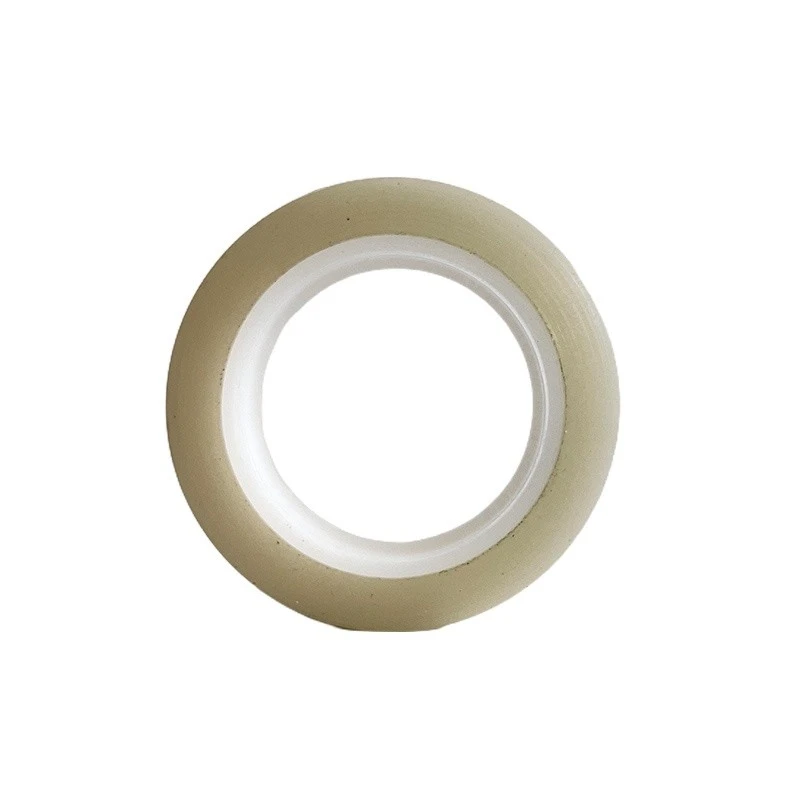
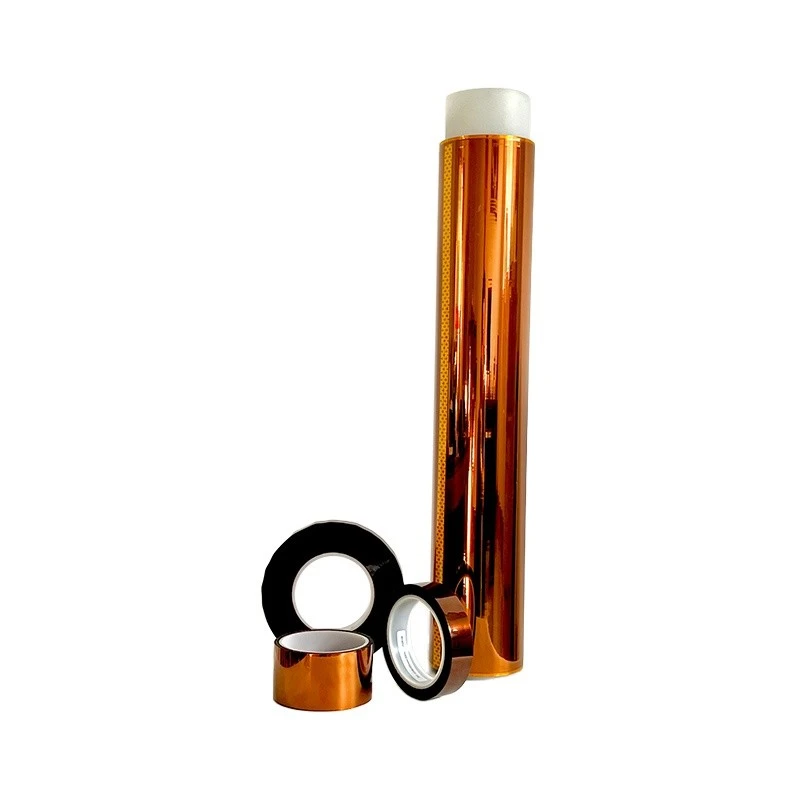
Let’s start with the basics that you can check right away, no fancy lab gear needed. Grab a roll of tape and uncut a few inches. First, look at the film core. Good PI tape has a consistent, uniform amber color—no splotchy patches, thin spots, or weird cloudiness. Cheap knockoffs often use a thinner, less durable polyimide film that’s almost clear or has a yellow tinge, and it feels flimsy when you stretch it. Give it a gentle tug: quality PI tape shouldn’t stretch more than 5-10% before it starts to give, and it won’t tear easily. If it snaps like a cheap plastic bag, that’s a red flag— it’ll fail fast under heat.
Next, the adhesive. This is where most cheap tapes cut corners. Run the edge of the tape between your fingers, then press a small piece onto a clean glass surface, wait 30 seconds, and peel it off. Here’s what to watch for: good PSA won’t leave any residue on the glass, and it won’t stick so hard that it tears the film when you peel it off. Low-quality adhesives often use generic rubber-based glues that melt at low temperatures, leaving a sticky mess that’s a nightmare to clean up. If you’re testing it for battery work (which is one of the biggest uses for PI tape these days), head over to our Battery Pack Assembly Tapes page to see how our PI tape is built specifically for that application—no residue, no melt during cell formation.
Now, the heat resistance, which is the whole point of using PI tape, right? This is where you need to do a simple, at-home test. Grab a hair dryer set to high heat (around 150-180°C) and hold it 2 inches away from a piece of tape for 30 seconds. Watch closely: high-quality polyimide film won’t shrink, wrinkle, or discolor. If it curls up, turns dark brown, or starts to melt, that’s not real PI tape— that’s a plastic film with a PI coating to trick you. We test all our PI tapes up to 260°C for 10 minutes, so they hold up to reflow ovens, solder processes, and even battery manufacturing lines that run hot. For battery termination tasks, check out our Pp Battery Termination Tape which is optimized for the specific temps and chemicals of battery end-of-line processes.
Another big test: chemical resistance. PI tape is supposed to stand up to solvents like isopropyl alcohol, acetone, and the cleaning stuff used in electronics manufacturing. Soak a small piece of tape in 91% isopropyl alcohol for an hour, then take it out and check. Good tape will look the same—no swelling, no blistering, no changes in adhesive performance. Cheap tapes will absorb the solvent, the film will get mushy, and the adhesive will stop sticking. This is super important for battery labs and electronics assembly where cleaning is non-negotiable. Our Polyimide Protective Film line is designed exactly for that kind of chemical exposure, so it’s perfect for masking during PCB cleaning or battery cell preparation.
Wait, let’s talk about the thickness. A lot of people don’t realize that PI tape comes in different mil thicknesses, and using the wrong one for your job is just as bad as buying bad tape. For example, if you’re masking small SMD pins during soldering, a thin 0.5 mil tape works fine. But if you’re wrapping a battery module or using it as a heat shield, you need a thicker 1-2 mil tape that can handle more stress. Cheap rolls often advertise “thick PI tape” but they’re overcoating thin film with extra adhesive, which can lead to uneven performance. If you’re working with high-heat masking, our Heat Masking Tape is calibrated to be just the right thickness for soldering and reflow processes, so you don’t get too much adhesive bleeding onto your parts or too much film flex.
I also see a lot of people ignore the storage and shelf life of PI tape. Just because it says polyimide on the roll doesn’t mean it lasts forever. Good tape should have a minimum shelf life of 12 months when stored in cool, dry conditions (around 20°C, 40-50% humidity). If a roll is left in a hot warehouse or a damp garage, even quality tape will degrade over time— the adhesive might stop sticking, or the film will become brittle. When you get a new roll, check the expiration date if it has one, and don’t stock up on 10 rolls if you only use 1 a year— that tape will go bad before you use it.
Let’s get into real-world use cases because lab tests are one thing, but how does it hold up in the wild? I had a customer a few months back who switched from a cheap PI tape to ours, and he said the difference was night and day. He was using the tape to wrap battery cells in a high-temperature formation process, and the old tape was peeling off 20% of the cells during the process, causing delays and waste. Our PI tape—our Pi High Temperature Tape, specifically—stuck perfectly through the entire 48-hour formation cycle at 85°C, no peeling, no residue, no shrinkage. The cost of the good tape was a little higher per roll, but he saved thousands in scrapped parts and downtime. That’s the thing about quality PI tape: it’s an investment, not an expense.
Another common mistake: buying “custom” PI tape from random sellers. A lot of Amazon or Alibaba listings will say “polyimide adhesive tape” but they’re just repackaged generic stuff from factories that don’t test for quality. If you’re using tape for critical applications—batteries, aerospace, medical devices—you need a supplier that can back up their claims with test data. Ask for the thermal resistance rating, the peel adhesion strength, and the solvent resistance test results. A good supplier will have that info ready to send you, no questions asked. If a seller can’t tell you the exact specs of their tape, run the other way—they’re not taking this seriously.
Let me wrap this up with the key takeaways so you don’t forget: 1) Check the film color and strength—consistent amber, no stretchy flimsy stuff. 2) Test the adhesive—no residue, clean peel, sticks hard enough but not too hard. 3) Heat test it—no shrinkage, no discoloration, holds up to your process temps. 4) Chemical test it—no swelling or damage from solvents. 5) Pick the right thickness for your job, not just the cheapest roll. 6) Buy from a supplier that can back up their specs, not just advertise cheap prices.
If you’re in the market for quality polyimide adhesive tape, especially for lithium-ion battery assembly (which is our bread and butter), we’ve got you covered. We make all the specialized tapes for battery work, from assembly to termination to masking, and every single roll goes through our own internal quality tests to make sure it meets the standards our customers need. If you’re tired of tape that fails mid-job, leaves residue, or doesn’t hold up to heat, reach out to our team to chat through your specific needs. We don’t do one-size-fits-all here, because we know different jobs need different tape.
At the end of the day, PI tape is a small part of your process, but it can cause huge headaches if it’s bad. I’ve been in this game long enough to know that cutting corners on tape costs you more in the long run. Take the time to test and pick quality tape, and you’ll save yourself a lot of frustration and wasted parts.
References:
- Polyimide Adhesive Tapes: Properties and Applications, Journal of Adhesion Science and Technology, 2021, Vol. 35, No. 12, pp. 1345-1362
- Thermal Stability of Polyimide Films for High-Temperature Applications, Polymer Engineering & Science, 2019, Vol. 59, No. 8, pp. 1678-1685
- Adhesion Performance of Pressure-Sensitive Adhesives for Lithium-Ion Battery Manufacturing, Journal of Power Sources, 2022, Vol. 521, Article 230876
- Chemical Resistance of Polyimide Tapes in Electronics Assembly, IEEE Transactions on Components, Packaging, and Manufacturing Technology, 2020, Vol. 10, No. 5, pp. 892-900